
Testing building products without getting bogged down in back and forth

When testing construction products, a lot of time is lost to questions and searching for data sheets – why this is and how the effort can be significantly reduced.

Does this product meet the requirements?
A single question – and it all begins. The sustainability consultant asks the project team, the project team asks the contractor, the contractor asks the manufacturer. A data sheet is missing, some information is outdated, someone is unavailable. Days later, an answer arrives – and immediately triggers the next question. Anyone who tests building products in a sustainability project spends a surprisingly large portion of their time not testing, but waiting and following up.
What this back and forth costs
Manually inspecting a single building product can easily take 20 minutes – in the worst-case scenario, up to two hours, for example, if you end up stuck on hold with a manufacturer. For a project with around 500 products, this quickly adds up to nearly 500 hours. Time that gets billed – for a task that, frankly, nobody enjoys.
Why it even arises
The reason is simple: Information about a building product isn't stored in one central location. It's scattered across email attachments, manufacturer websites, PDF folders, and the minds of various individuals involved. Everyone has a different perspective; no one has the complete picture. As soon as something is unclear, the only option is to contact someone and hope for a complete response. Most of the time, it doesn't – and the cycle begins again.
What changes when the product data is already available?
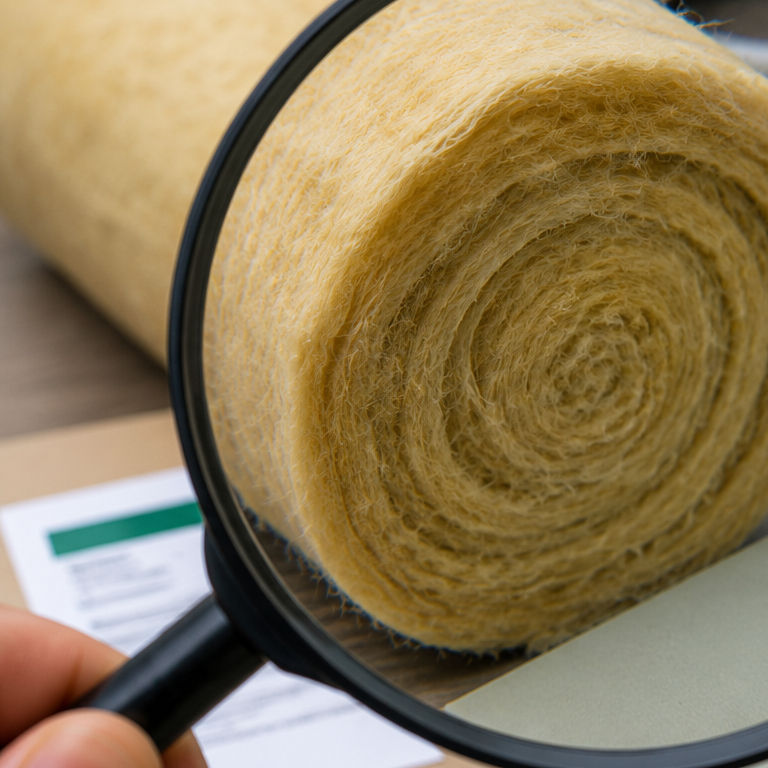
This is precisely where Materius comes in. Anyone accessing a building product's specifications and data sheets has them immediately available – without having to request them from the manufacturer or dig through their inbox. Compliant products can be found directly, and the documentation for the certification body is generated automatically. A large proportion of inquiries revolve around information that already exists but isn't readily available. With this information readily available, the back-and-forth becomes unnecessary.
From following up to checking
Materius is the central point of contact for selecting, testing, and documenting sustainable building products. The more information is attached to the product from the outset, the less time consultants and project teams have to spend exchanging information. The goal is not to simplify the requirements—they are sensible. The goal is to ensure that time is spent on expert evaluation and not on who sends which document to whom.
In which phase are you currently losing the most time – planning, tendering, or implementation? We'd like to hear where you experience the most back and forth.


